Table of Content
True capitalist economies see housing prices collapse regularly, as a part of market efficiencies. To find “Value” in the system “They” will trigger a recession whether you want it or not. If you can weather not having a tenant for six months then good for you. I imagine that isn’t even close to the case for the majority of landlords in the city. Even if the housing was to magically correct itself the rent would still continue to rise exponentially as the demand will only rise as people scramble to offload their properties that are heavily under water.

Torontonians are reaching their credit limit, a lot of people are already tapped out with no more room. It’s a very sad situation, I believe the landlords already are aware of this however this does not mean they will take on a rational decision to halt rent increases. Like in Hong Kong and London UK, multiple people to a single bedroom and living room turned into a bedroom is on the Horizon for Toronto. The 1.78 debt to disposable income has been surpassed, it’s an old figure. We all need to pressure our local jurisdiction to built government housing, a simple email to your local rep is easy to do. Rentiers hate socialism, except when it provides low interest rates, mortgage liquidity and insurance, and mixed market support for housing.
Source database
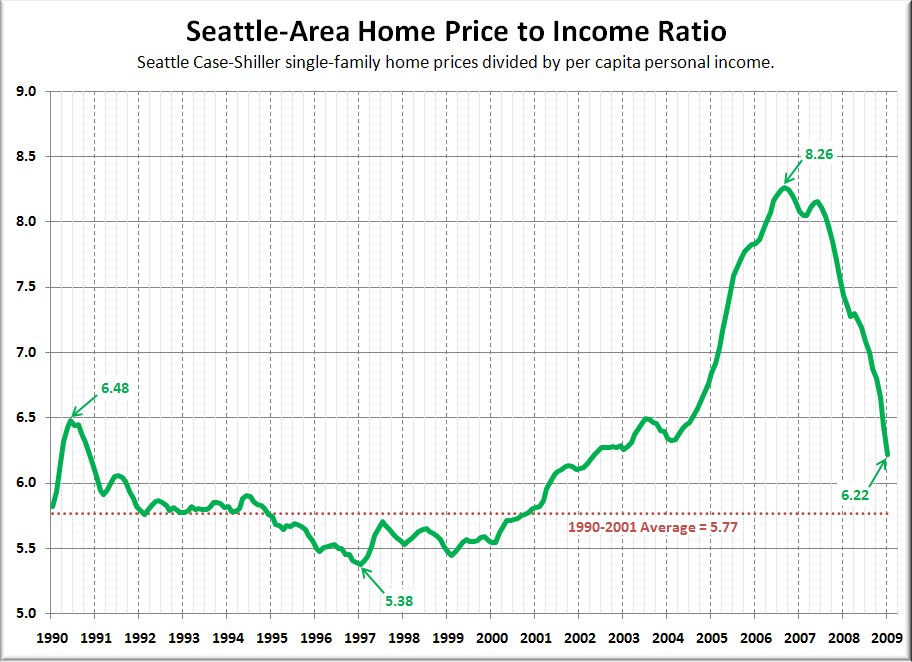
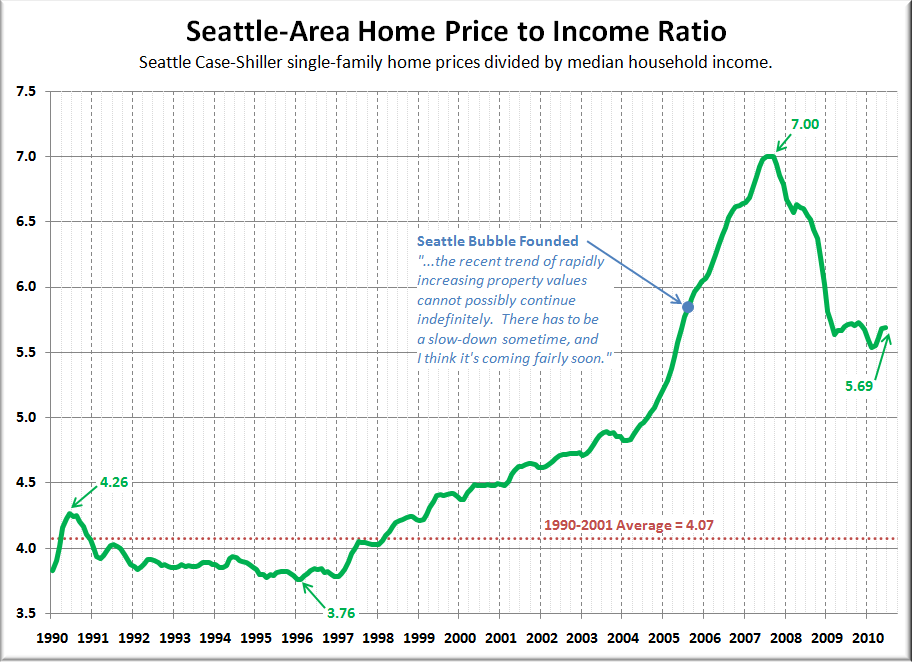
The average house-price-to-income ratio in the U.S. is 5.4, much higher than the “healthy” 2.6 experts recommend. The average house-price-to-income ratio is 5.4, more than double the maximum of 2.6 experts recommend. In 1985, the average home price was $109,094 according to the Toronto Real Estate Board.
Even in Alberta, where the housing market has been dormant for years, activity is heating up. This year, Calgary saw its best March in terms of sales volumes since 2007. The jump has been more pronounced in some of Canada’s smaller communities. In February, BMO economist Sal Guatieri noted that in Woodstock, Ont., the benchmark home price had risen “a cool” $118,200 over the previous 12 months, more than the $86,970 the median local family earned in 2018. Housing marketReal estate in ChinaCommercial property in the U.S. To use individual functions (e.g., mark statistics as favourites, set statistic alerts) please log in with your personal account.
House Price To Income Ratio
This three-part series examined the characteristics of home buyers and the properties they purchased from January 1 to December 31, 2018, with a focus on Nova Scotia, New Brunswick and British Columbia. In the Vancouver census metropolitan area , the median PIR was 7.4, considerably higher than the Halifax and Moncton CMAs, where the PIRs were less than 3. Additionally, as shown in Map 1, census subdivisions that are closer to the core of the largest CMAs had a higher median PIR compared with CSDs that were farther from the cores in both British Columbia and Nova Scotia. Paul…all I hear is blah blah from you…if I can get a penny for housing market crash in last 15 years I will be billionaire by now…please tell us when it will happen…I am sitting with money to invest.

Today, it’s not uncommon to hear of people offering far more than the seller’s asking price — with some even offering $1 million more than the listing price. But during the peak of the Toronto housing bubble in 1989, mortgage payments as a percentage of median family income were about 50%. Going forward, interest rates aren’t likely to increase in the short term in Canada. But when interest rates rise, housing affordability will be squeezed because more of a family’s income will go towards mortgage payments and other interest costs. Saying Canadian home prices are frothy, is like saying Mozart had a little musical talent.
Other statistics on the topicGlobal housing market
The first section explores the heterogeneity of the PIR of properties purchased in Nova Scotia, New Brunswick and British Columbia. The second section furthers this analysis by examining the ratio across income quintiles. Findings on the PIR of properties purchased by immigrants in British Columbia are also presented.
As disastrous as that sounds, the firm isn’t expecting a big housing crash the baseline model shows low to no price growth, as mortgage rates rise. This table displays the results of Before-tax income ranges of residential properties by quintile. The information is grouped by Income quintile , Vancouver CMA, Toronto CMA and Halifax CMA, calculated using before-tax income range units of measure . These high value-to-income ratios could be a result of property owners that may have acquired their properties in the past when assessment values were substantially lower, or may no longer be carrying a mortgage. Moreover, these owners may have earned pension income or accrued income outside of Canada, as the following findings show.
Spring mortgage market kicks off with a new low rate from Bank of Montreal — but you can do better
It’ll allow the market to slowly re-balance to local incomes which is what housing should be. Then RE investments will return to what they have historically been, income generating assets. At the moment, they’re speculative investments for capital gains.

Looking for specific market information to create new editorial content or innovative ways to present and share housing trends and statistics? Gain unparalleled insight into the dynamics of a highly varied Canadian housing market with the Teranet-National Bank House Price Index™ monthly public release. Usually you have decent comments, but not sure about your comment today. I’d bet over 65+ percent of people who read your articles would locate either or both countries. Now, if Toronto becomes solely a foreign capital/money laundering pad, then you’re right, prices will just keep going.
By using an index, we can rebase all countries to see how they’ve performed over time. For example, if the index reads 125, home prices grew 25% faster than income. Today, we’re using a base year of 2005 to compare pre and post-Great Recession data.
It found that a rent increase of as little as $100 per month would send a family out onto the street. Remember, you don’t make money in real estate until you sell….so have fun watching your “equity” evaporate every day…. Michelle Delgado is a writer and research analyst at Clever Real Estate. She specializes in publishing data-driven reports on real estate trends and researching emerging home buying and selling models such as iBuyers. Nearly 90% of major metros have a house-price-to-income ratio that exceeds the maximum recommended ratio of 2.6.
Residential real estate prices in Canada are growing at the fastest rates in the G7 and not just over the past year, but over the past 3 decades, Nothing in the G7 comes even close to this rate of price growth. Properties with owners receiving pension income were more prevalent in the lowest income quintile. More than half of the properties in the Vancouver, Toronto and Halifax CMAs in the bottom income quintile had owners who received pension income from public or private sources. By comparison, around a quarter of the properties in the highest income quintile were owned by pensioners.
The country was followed by Portugal, which sat 5.2 points lower. Slovenia reached third on the index, 6.68 points lower than Canada. Most of you probably couldn’t point out those two countries on a map. Overall, high home prices put homeowners at risk of going underwater on their mortgages in the next housing crash. Additionally, pricey home values are locking many prospective home buyers out of finding affordable property.



No comments:
Post a Comment